
Why The Restaurant Industry Must Change To Survive

Betty Marcon • April 3, 2025

Share this article

This is a subtitle for your new post

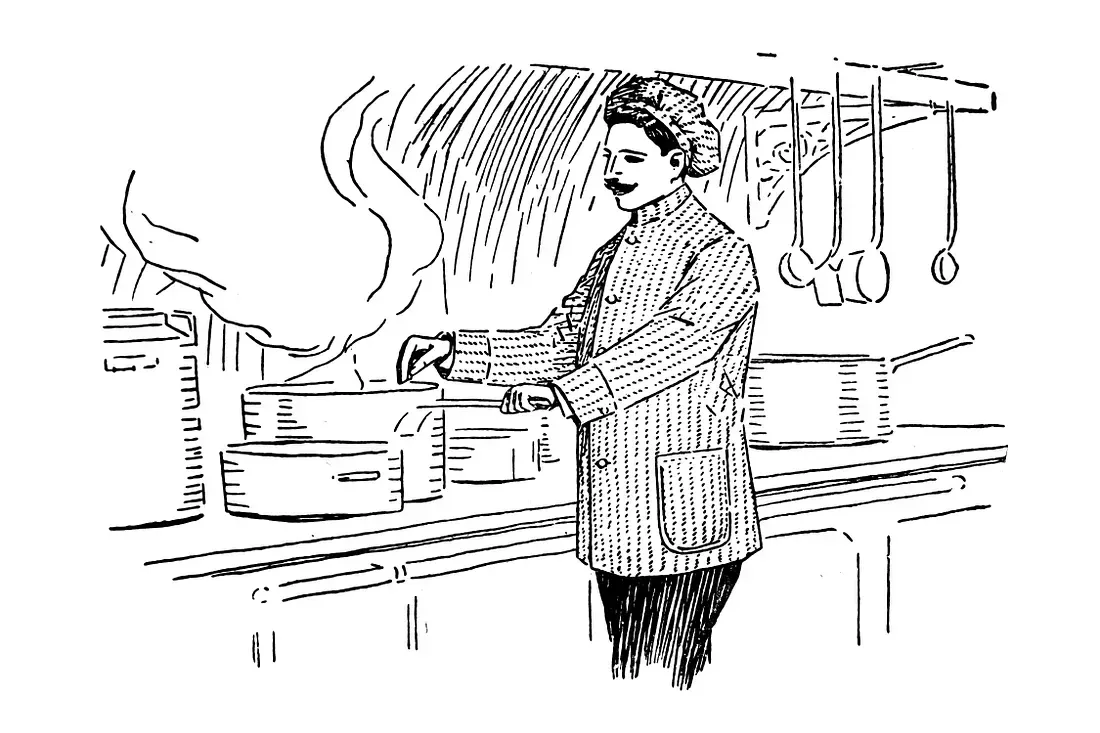
Person in a striped jacket stirring food on a stove with pots and steam rising. Kitchen setting.

I've been thinking about how to fix the restaurant industry for over 30 years. What's to fix?


It started when I ran into my high school English teacher on the 1 California bus one day on the way home from work. It was 1990, I had just finished my 7am to 3pm shift as a pastry cook at the Hyatt Regency. The bus was empty — it was the beginning of the line — except for me and Mrs. Burke. I was happy to see her — she was always supportive.


I filled her in on what I was up to. In a few months, I would be heading to Stockholm to work as a pastry cook at the Grand Hotel.


"Whenever I think about working in kitchens," she said, "I think of the book by George Orwell, Down and Out in Paris and London." And that's what got me started.


Before leaving for Stockholm, I purchased the book. It is a memoir of Orwell's time as a struggling writer, living in poverty and squalor, and working in the kitchens of restaurants in 1927, located in magnificent palace-like hotels catering to the super-wealthy. Restaurants in 1927 were only for the well-to-do; common folk went to pubs. It was fitting that she mentioned that book since I was heading to work in one such hotel.


In Orwell's 1927 Paris, the kitchen was one world — loud, harsh, hot, unpleasant, low ceilings, no sunlight, hot stoves. And the dining room was another, full of light and laughter, shining crystal and the sound of silver on porcelain, ladies and gentlemen dressed beautifully and blissfully unaware of what was going on on the other side of the door. The servers passed from one world to the other, showing one face in one world, another in the other. It was also a story of power dynamics and denigration. It would've been comical if it weren't so real and, sadly, contemporary.


I remember reading that book and thinking how things hadn't changed much. Working conditions have indeed improved, as a result of labor unions predominately. It bothered me that the culture I was reading about was so familiar. Why is it that way? From 1927 to now, why do people who work in our industry have to endure that, all these years later?


We've seen contemporary versions of this playing out in books, on TV, and in films. Those of us who have worked in kitchens point to those stories and say, "Yes! That's exactly right!" From Anthony Bourdain's Kitchen Confidential to FX's The Bear and last year's film, La Cocina (I walked out, it was so triggering), to name a few, the trauma of working in restaurants is toxic.


The COVID-19 pandemic pushed back the curtain even more on a deeply flawed industry, and created many new ones. At the time, I thought that the pandemic would facilitate positive change. Five years later, all it has done is pushed the industry closer to a cliff.


It is clear to me that in order for the industry to survive, we must see massive systemic change. This structure isn't working anymore, we just haven't hit the wall yet.


Restaurants are intertwined with so many parts of our society, our economy and our lives. In one post, I cannot write about all the different ways we are failing the restaurant industry and what needs to be done.


Okay, I am not a pessimist. I am a solution-finder. In my next installment, I'll suss some of this out. Stay tuned!


Recent Posts

By Betty Marcon January 28, 2026
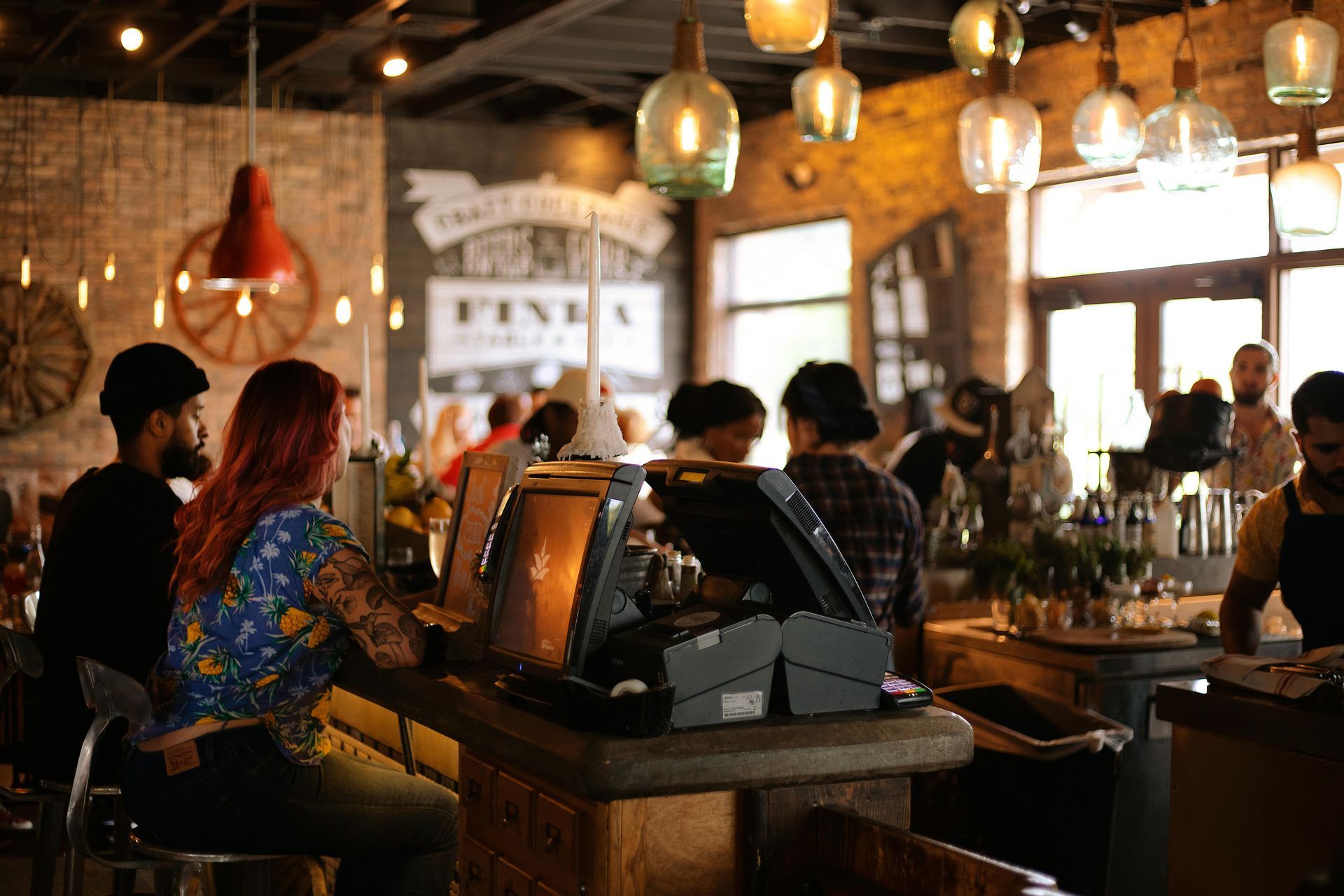
Discover why prioritizing restaurant worker health leads to better profits. Learn 8 practical strategies to improve employee wellbeing, reduce turnover, and create safer kitchens in your restaurant.
By Betty Marcon January 19, 2026
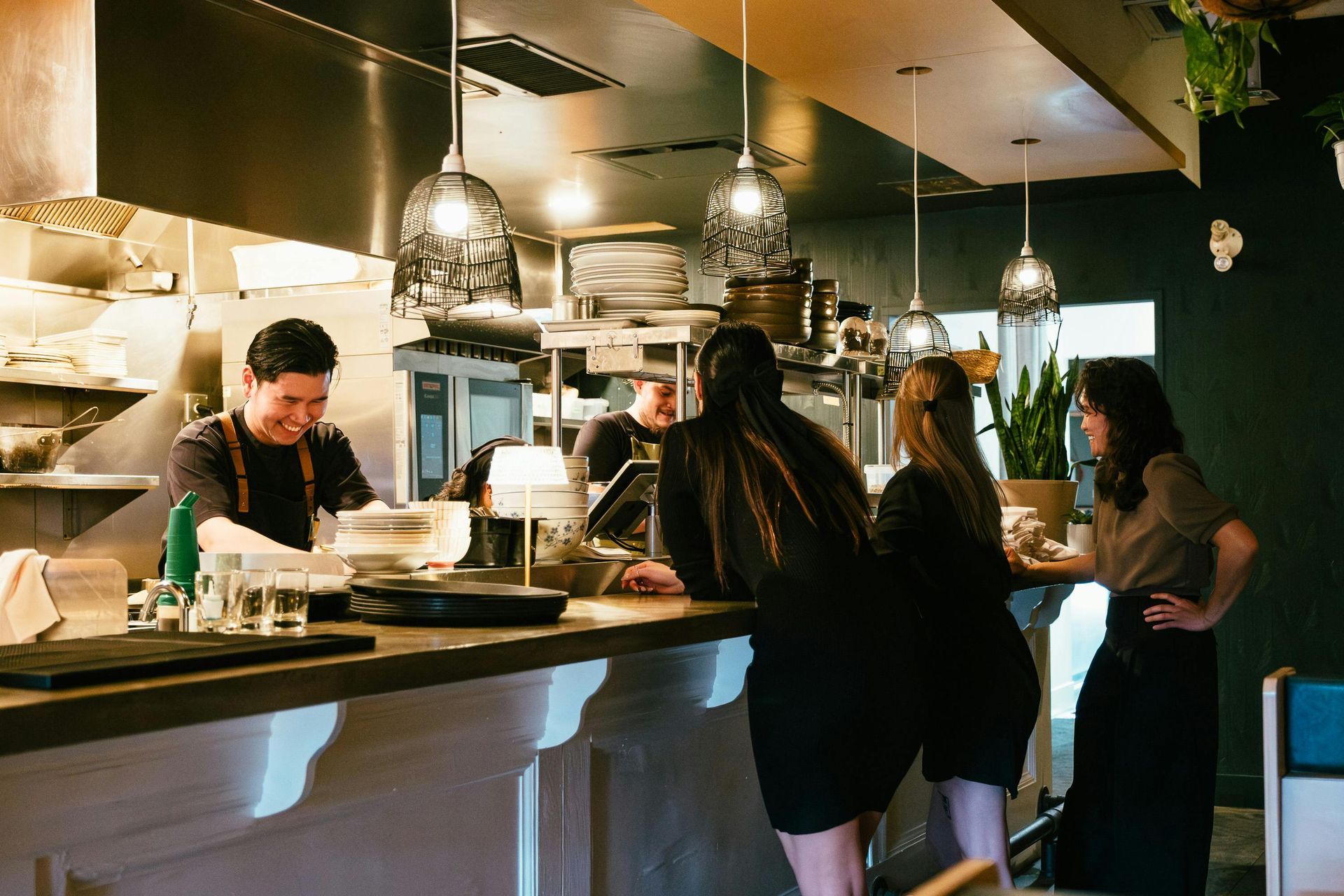
Learn about the three pillars of good job creation—economic stability, equity, and mobility—and why professionalizing the restaurant industry matters. Red Truck Restaurant Consulting helps Oakland restaurateurs become better job creators.
By Betty Marcon January 12, 2026
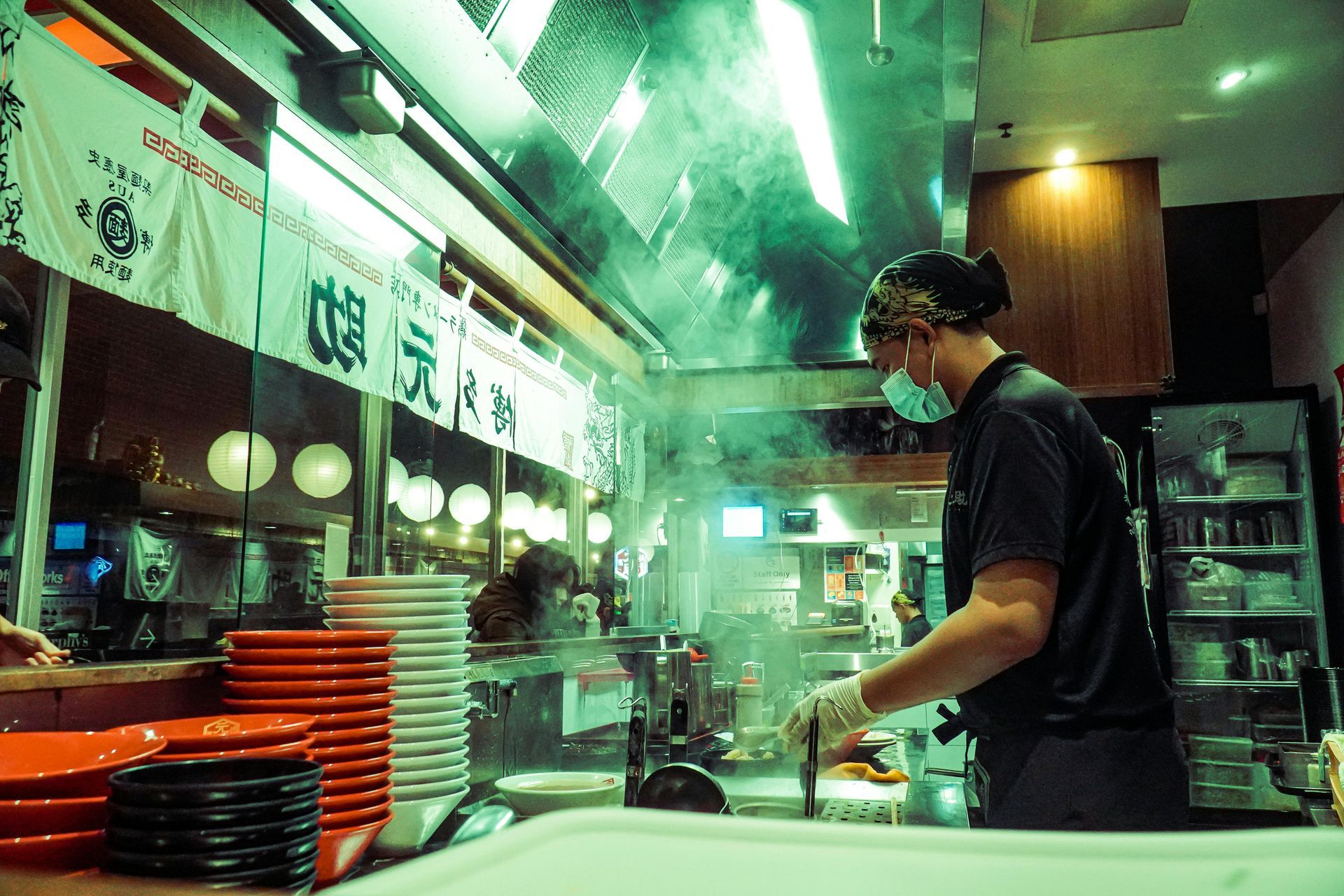
Discover why the traditional restaurant manager role needs rethinking. Learn about pay equity, career pathways, and new strategies to prevent burnout while creating meaningful advancement opportunities in the restaurant industry.
By Betty Marcon December 12, 2025
A recent dining experience in the Hamptons reveals a troubling trend—restaurant prices are becoming so prohibitive that they're not just exclusive, but exclusionary. As operating costs rise, the restaurant industry risks pricing out the majority of diners and losing its essential role as an accessible community gathering place.
By Betty Marcon November 6, 2025
Exploring the impact of minimum wage increases on restaurants and workers. San Francisco restaurateur Betty Marcon examines how $15/hour wages affect business operations, employee wellbeing, and the broader service industry landscape.

Yellow tiles spelling
By Betty Marcon October 27, 2025
You have an employee handbook you downloaded from your payroll company and you think, “Done!” Not so fast. That may have covered your legal obligations but it may not cover everything.
Restaurant window display with a rainbow flag and a
By Betty Marcon September 29, 2025
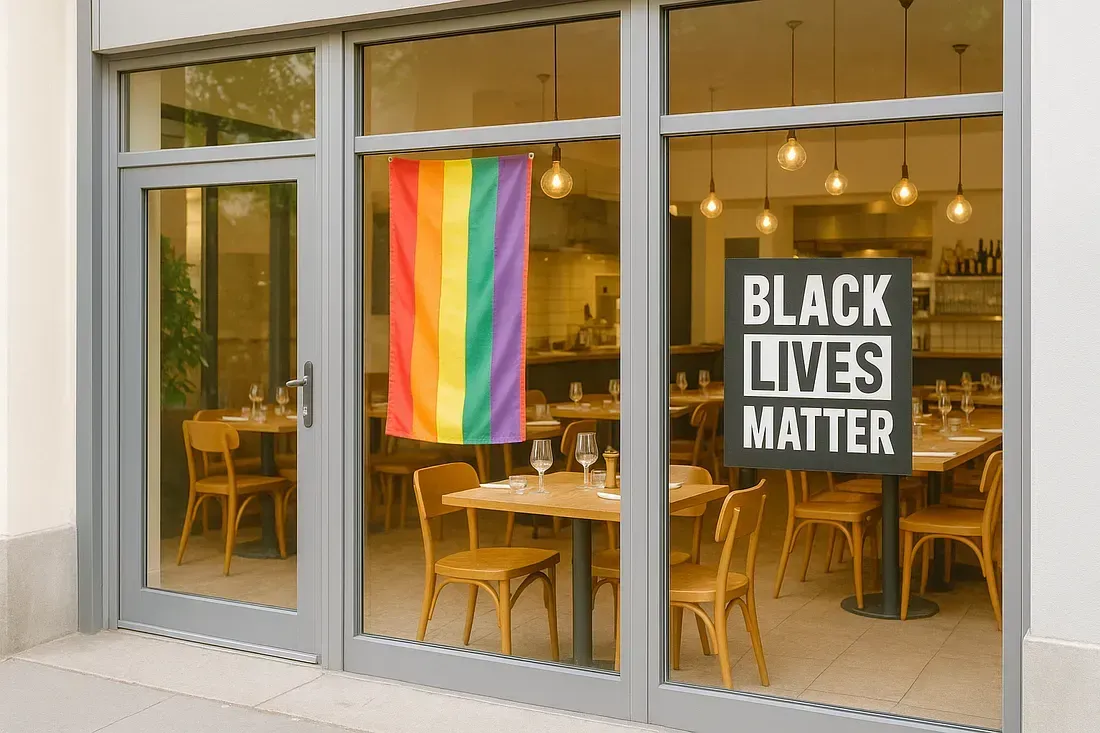
An exploration of whether restaurants should be spaces for political discourse, examining historical precedents from taverns to lunch counters.
Two people in aprons high-fiving in front of a blue door and
By Betty Marcon April 21, 2025
A raw, personal account of closing a beloved San Francisco restaurant and the profound lessons learned turning heartbreak into helping others succeed.
By Betty Marcon January 10, 2023
The headline in the New York Times announced that Noma, the restaurant rated #1 in the world, is closing — and its celebrated chef Rene Redzepi declares fine dining at the highest level is unsustainable.
Person wearing a medal, holding champagne flute. Medal says
By Betty Marcon January 1, 2023
The James Beard Foundation’s ethics probe aims for change—but is flawed in execution. A call for deeper accountability in food culture.
Show More